
A Med-IQ Risk Management Development Program
Overview
Between 20% and 40% of patients experience a harm event in the outpatient setting. Up to 80% of these events are preventable. Risk professionals with ambulatory oversight and practice managers will be able to deepen their knowledge, strengthen their skills, and immediately apply new competencies to their practice setting.
“This program has been pivotal in helping me identify risk specific to the outpatient setting and, just as importantly, has given me the tools, resources, and templates to address those risks. I am very thankful for the specialized information I gained through this program.”
– Lacie Eldred, BSN, RN, Risk Management Nurse Manager for UUMAS
Series Summary
Designed for healthcare professionals at all levels, these courses provide practical strategies to improve patient safety, manage risk, and improve the patient experience in the outpatient care environment. Each course features videos, self-assessments, and CE-accredited activities that guide the learner in the application of risk management tools in practice.
Session(s) Available for Registration
Courses are available for 6 months and are self-paced (ie, learners can start and stop courses at any time.)
Fall 2026: Begins October 1, 2026
Courses in This Series
Access a suite of 7 risk management courses that provide CE credits and are designed for practice managers, risk professionals, and other interested members of the healthcare team.

RISK MANAGEMENT: AN INTRODUCTION
In this foundational course, learners gain an understanding of their role in reducing harm and promoting safety in the outpatient setting. This course reviews each step of the risk management process and describes the characteristics of a safety culture. In addition, it takes a closer look at error causation and response and helps learners differentiate between a punitive and just culture.

RISK IDENTIFICATION METHODS
The first step of the risk management process is risk identification. In this course, learners are introduced to proactive and retroactive methods of risk identification as well as common barriers to event reporting and strategies to overcome them. Learners will have an opportunity to apply their knowledge by conducting an environment of care risk assessment.

AMBULATORY CARE OCCURRENCE MANAGEMENT
Something unintended occurred—now what? Time is of the essence when responding to a patient-harm event. Learn about immediate and short-term response strategies, various methods of risk analysis, and improvement methodologies to prevent the recurrence of a patient-harm event.

AMBULATORY CARE CLINICAL RISK MANAGEMENT
This course provides learners with an overview of various topics and strategies central to reducing clinical risks in the outpatient setting. Topics include responding to medical emergencies, improving care transitions, and preventing diagnostic errors, as well as many others.

LEGAL AND REGULATORY TOPICS
A basic understanding of healthcare’s legal and regulatory oversight is essential knowledge. In addition to describing the legal and regulatory frameworks, this course highlights key topics such as HIPAA, ADA, informed consent, and scope of practice.

OCCUPATIONAL HEALTH IN THE AMBULATORY SETTING
The provision of a safe and healthful environment for employees requires identifying areas of risk and implementing practices to promote both employee and patient safety. In this course, learners explore healthcare occupational risks from multiple angles and identify mitigation strategies.

PATIENT EXPERIENCE PEARLS AND PITFALLS
The patient experience extends beyond the clinical care provided and includes how they are treated throughout their patient journey. This course explores strategies to enhance the patient experience by improving health literacy and providing culturally competent care. It also reviews best practices in responding to complaints and grievances as well as the process for adverse event disclosure.
Pricing
Med-IQ’s Risk Management Development Programs deliver clinical risk education to healthcare providers in a targeted, customized, and easy-to-access format. It is not a “one size fits all” approach.
The cost of this program is $500 and includes videos, case studies, and interactive activities delivered in a platform ideal for asynchronous, blended learning.
Interested in collaborating further to design a customized program specific to your organizational needs? Learn more or contact us directly at RMDPhelp@med-iq.com.
Expert Faculty
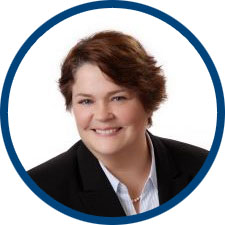
Kathy is the Associate Director of Education and Quality at Med-IQ. In her current role, she oversees more than 1,000 accredited educational activities each year, ensuring compliance with accreditation standards and educational quality.
Kathy has been a registered nurse for more than 36 years, with experience in the emergency department, critical care, and continuing medical education areas. She earned her Bachelor of Science in Nursing from Michigan State University and Master of Science in Nursing from Western Governors’ University. Kathy has presented nationally at the AACN’s National Teaching Institute and Critical Care Exposition, the Alliance annual conference, and the ASHRM annual conference. She is a former President of the Michigan Society of Healthcare Risk Management’s Board of Directors.
FAQs